
Raleigh, NC Fix-And-Flip Rehab
A Recent Investor Fix-And-Flip Success Story$810,000
$778,400
$144,200
$1,240,000
$285,800
162%
Fix-And-Flip Success Story
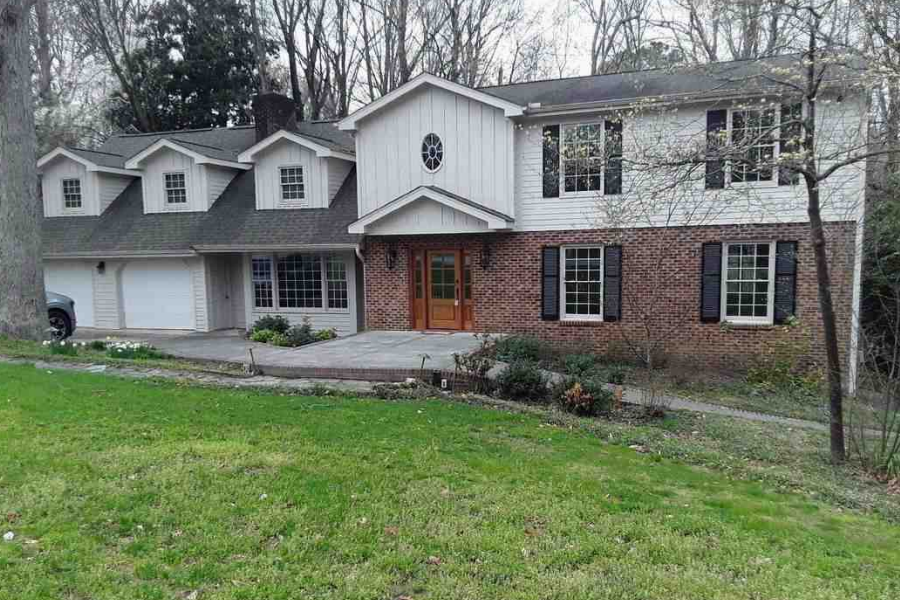 Before Front Entrance
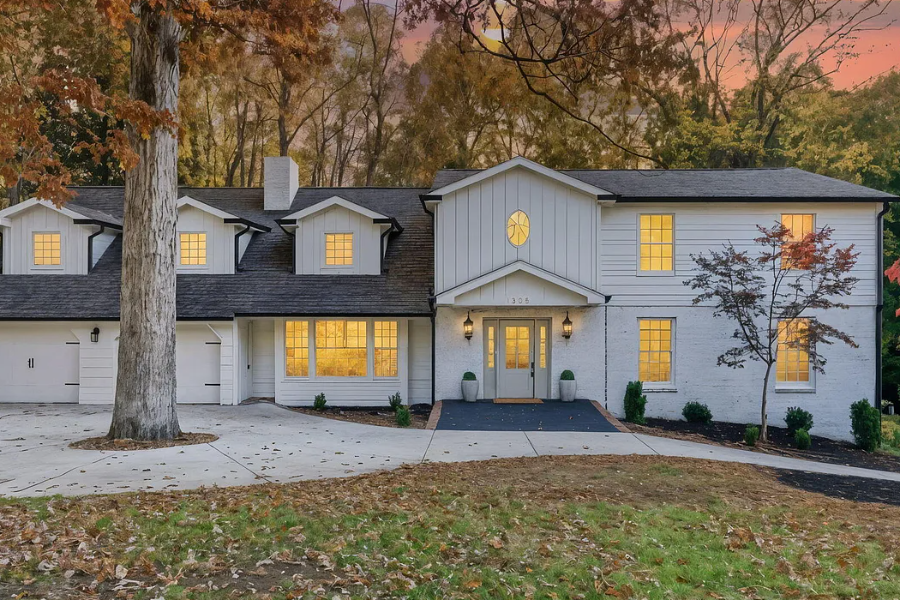 After Front Entrance
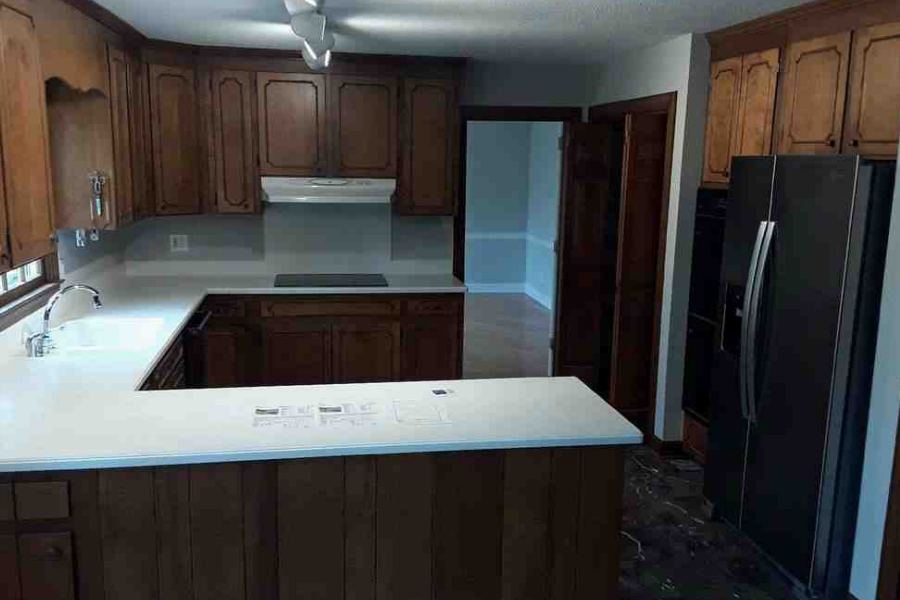 Kitchen Before
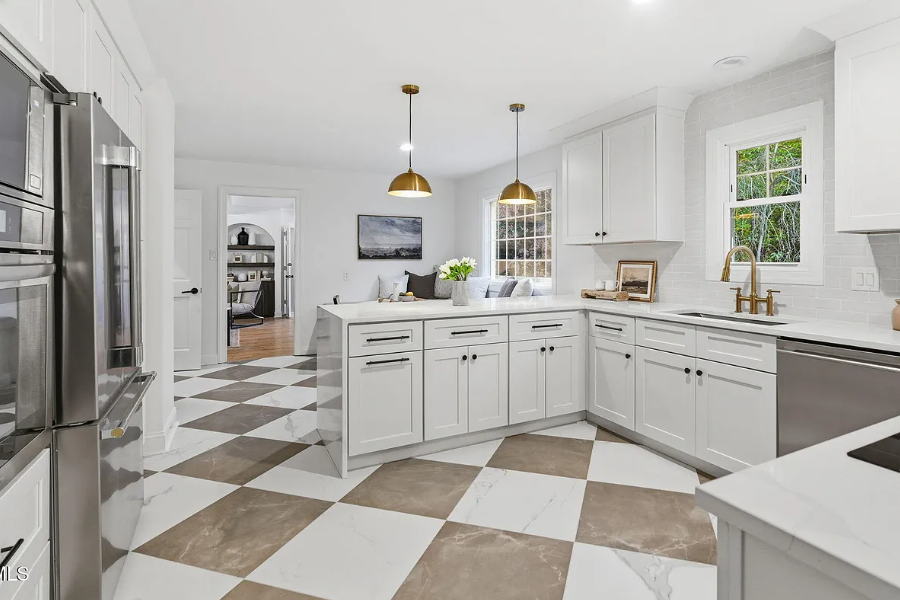 Kitchen After
How this Raleigh, North Carolina fix and flip project turned a full renovation into a strong resale
This Raleigh, NC fix and flip case study shows how an investor used short-term rehab financing to acquire, renovate, and resell a property in a strong North Carolina market. With a purchase price of $810,000, a rehab budget of $144,200, and a sales price of $1,240,000, the project highlights how well-executed improvements can create meaningful value.
The project was financed with a loan amount of $778,400, helping the borrower preserve liquidity while completing the renovation. For investors operating in competitive markets like Raleigh, dependable fix and flip financing can make it easier to move quickly and manage capital efficiently.
This project combined visible curb appeal improvements with kitchen upgrades, resulting in a profit of $285,800 and a return of 162%.
Why this Raleigh fix and flip worked
The success of this project came from improving highly visible and value-sensitive areas of the home. The front entrance transformation enhanced curb appeal, while the kitchen renovation helped elevate the property's overall presentation. In many resale-driven projects, those improvements can have an outsized effect on both buyer demand and exit pricing.
What is a fix and flip loan?
A fix and flip loan is a short-term real estate investment loan designed to help investors acquire, renovate, and resell residential properties. These loans are commonly used when speed, flexibility, and renovation funding are essential to the investment strategy.
Benefits of using rehab financing
Rehab financing can help investors preserve their cash, fund renovations, and pursue opportunities that may not qualify for conventional financing in their current condition. It also allows investors to act faster on value-add projects and manage capital across multiple deals more efficiently.
For active investors, lender execution matters. Clear underwriting, reliable draw administration, and certainty of close can make a major difference in how smoothly a project moves from acquisition to resale.
How financing supported this project
Financing supported this deal by helping the borrower complete both acquisition and renovation without tying up all available cash in one project. That flexibility can improve liquidity management and support additional investing activity while the project is underway.
When evaluating rehab lenders, investors should look beyond rate alone and consider leverage, speed, draw process, and overall reliability. Strong execution can have a meaningful impact on the total profitability of a deal.
Deal Snapshot
- Location: Raleigh, North Carolina
- Property strategy: Fix and flip rehab
- Purchase price: $810,000
- Loan amount: $778,400
- Rehab budget: $144,200
- Profit: $285,800
Why Investors Use Fix and Flip Loans
Investors use these loans to finance acquisitions, fund renovations, preserve liquidity, and reposition properties for profitable resale in competitive markets.
Common Uses for Rehab Financing
- Funding acquisitions in strong resale markets
- Improving curb appeal and entry presentation
- Renovating kitchens and other high-impact spaces
- Preserving cash across multiple projects
- Executing value-add strategies quickly
Questions? 954.798.0726 or info@icg10.com
Complete our quick 1-minute application and receive preliminary terms fast.