

Raleigh, NC Fix-And-Flip Rehab #2
A Recent Investor Fix-And-Flip Success Story$325,000
$324,100
$72,100
$465,000
$67,900
93%
Raleigh Fix and Flip Success Story
 Before Kitchen Remodel
 After Kitchen Remodel
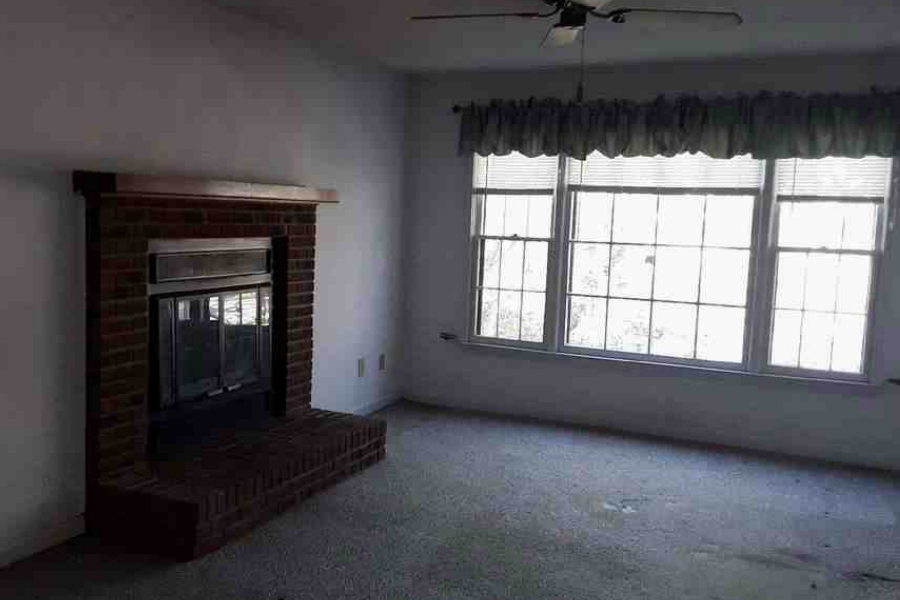 Before Living-Room Remodel
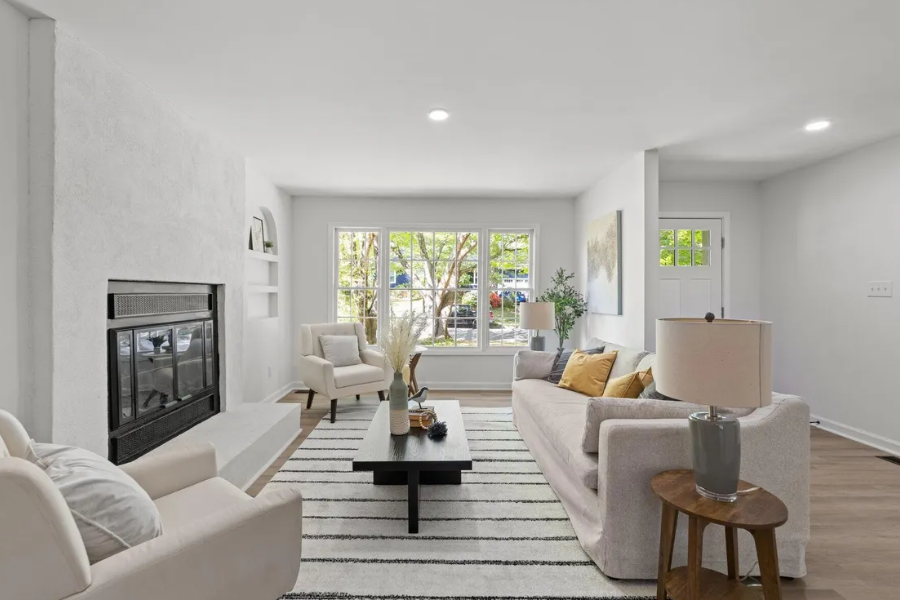 After Living-Room Remodel
How this Raleigh, North Carolina fix and flip deal used rehab financing to create resale value
This Raleigh, NC fix and flip case study shows how an investor used short-term rehab financing to purchase, improve, and resell a residential property. With a purchase price of $325,000, a construction budget of $72,100, and an after-repair value of $465,000, the deal demonstrates how a focused renovation plan can create meaningful value in an active market.
The project was financed with a loan amount of $324,100, helping the borrower move forward with acquisition and renovation while preserving cash for execution and carry costs. In markets like Raleigh, access to reliable fix and flip financing can give investors the speed and flexibility needed to capitalize on attractive opportunities.
This project paired a controlled renovation budget with a strong resale spread, resulting in a profit of $67,900 and an estimated return of 93%.
Why this Raleigh fix and flip worked
The value in this project came from targeted upgrades that improved both functionality and presentation. Kitchen improvements and living-room updates helped modernize the property and increase buyer appeal. In many successful rehabs, returns are driven not by overbuilding, but by making the right improvements in the right places.
What is a fix and flip loan?
A fix and flip loan is a short-term real estate investment loan designed for investors who want to acquire, renovate, and sell a property. These loans are commonly used on homes that need repairs or modernization and are often structured to fund both the purchase and rehab scope.
Benefits of using rehab financing
Rehab financing can help investors preserve liquidity, close faster, and take on properties that may not qualify for traditional mortgage financing in their current condition. It also allows borrowers to spread capital across multiple projects instead of tying up too much cash in one deal.
For investors working in competitive markets, the right lending partner can make a major difference by providing clear underwriting, responsive draw management, and confidence that the capital will be available when needed during the renovation process.
How financing supported this project
Financing played a central role by helping the borrower fund the acquisition and renovation without overcommitting cash reserves. That flexibility allowed the investor to focus on executing the rehab plan and positioning the home for resale at a higher market value.
When evaluating a lender for a project like this, investors should consider more than pricing alone. Speed, certainty, draw efficiency, and communication all matter when timelines are tight and execution risk is real.
Deal Snapshot
- Location: Raleigh, North Carolina
- Property strategy: Fix and flip rehab
- Purchase price: $325,000
- Loan amount: $324,100
- Construction budget: $72,100
- Profit: $67,900
Why Investors Use Fix and Flip Loans
Investors use these loans to close quickly, fund renovation costs, preserve working capital, and create leverage on projects that can be improved and resold for profit.
Common Uses for Rehab Financing
- Buying outdated homes with cosmetic upside
- Funding kitchen and living-area renovations
- Improving marketability before resale
- Executing time-sensitive projects efficiently
- Preserving liquidity across multiple deals
Questions? 954.798.0726 or info@icg10.com
Complete our quick 1-minute application and receive preliminary terms fast.